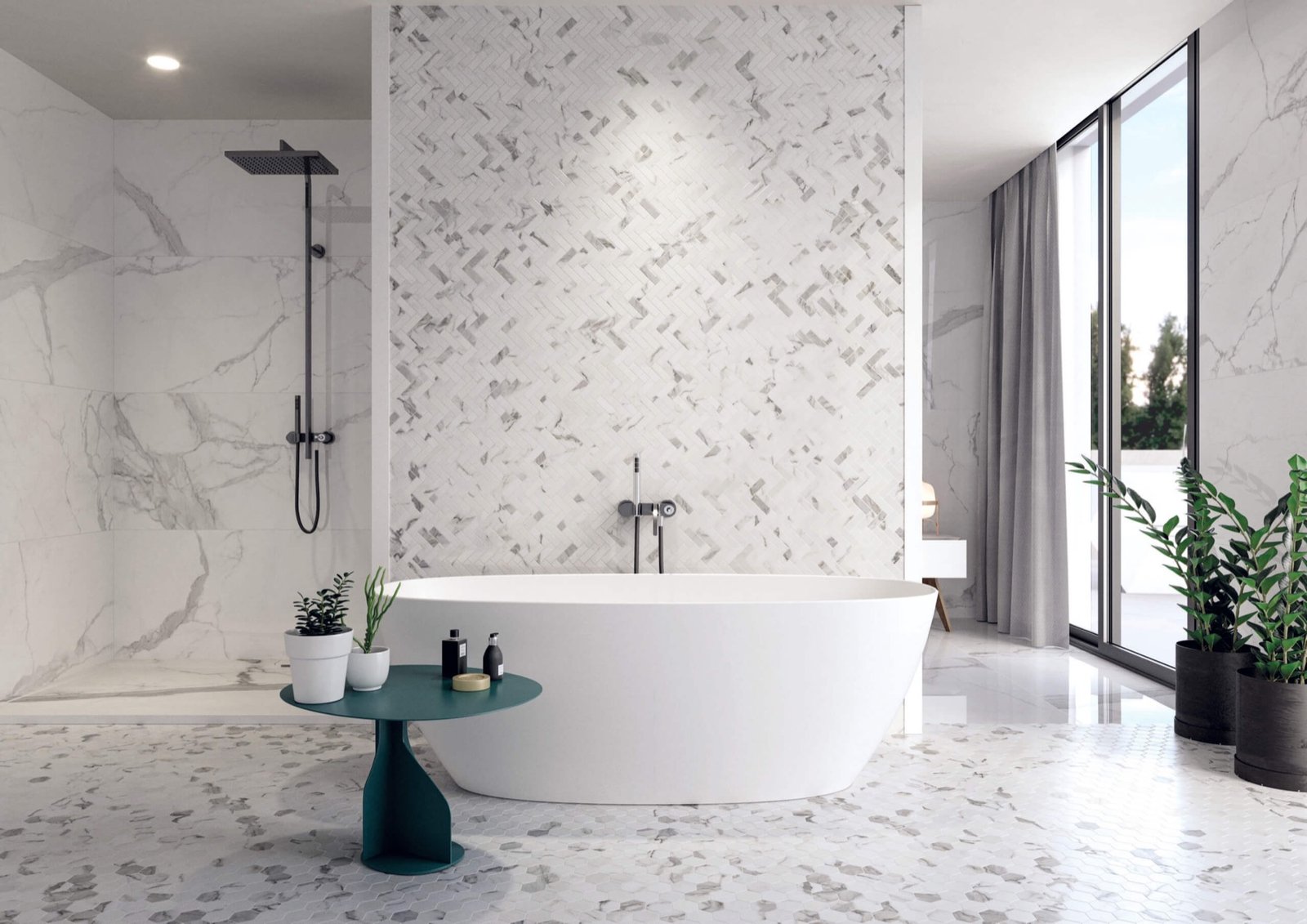
SARASOTA TILE GUIDE
Why Shower Tile Is a Smart Choice for Sarasota Homes
A practical, homeowner-first guide to choosing, planning, and caring for shower tile in Sarasota’s warm, bright, moisture-conscious coastal environment.
Shower Tile is an excellent Sarasota choice when the product, substrate, setting materials, drainage or movement details, and maintenance plan are selected as one system. It delivers a truly custom layout, durable wet-area finishes, spa-like comfort without fragile trends, but workmanship below the surface is what protects the finished look.
Why shower tile fits Sarasota living
Sarasota homes ask a great deal of their finishes. Open plans carry the eye across long distances. Sliding doors connect conditioned rooms to screened or covered outdoor areas. Strong sun changes how color and sheen read during the day. Sand arrives on shoes, summer showers arrive quickly, and many households move between the pool, lanai, kitchen, and bath without treating each space as a separate design world. Shower Tile responds well because it can combine a tailored architectural appearance with a hard, washable surface.
The material alone does not guarantee a successful result. Tile is an assembly: structure, substrate, preparation, bonding material, tile, joints, transitions, and maintenance all contribute. In primary baths, guest baths, walk-in showers, and aging-in-place renovations, each layer has a job. Sarasota’s climate makes moisture management and movement especially important, while bright light makes layout and surface variation unusually visible. A thoughtful project considers those realities before the first box is opened.
Homeowners also value choice. Shower Tile can be quiet and stone-like, crisp and contemporary, or richly patterned. The best design usually supports the architecture rather than competing with it. Begin with the fixed elements—room proportions, natural light, cabinetry, adjacent flooring, window frames, and exterior views—then select the tile scale, tone, texture, and grout as a coordinated composition.
- a truly custom layout
- durable wet-area finishes
- spa-like comfort without fragile trends
Start with the project brief, not the sample board
Before shopping, write a one-page brief. Note who uses the space, whether the home is occupied year-round or seasonally, how often wet or sandy traffic occurs, which existing finishes remain, and what “easy maintenance” means to you. Include practical details such as pets, mobility needs, cleaning preferences, rental use, and the likelihood of future cabinetry or glass work. This turns a vague search for the prettiest tile into a focused design problem.
Next, photograph the room from its main entries and measure the longest sightlines. A tile that feels restrained in a showroom vignette may appear busy across several hundred square feet. Conversely, a large-format tile that looks elegant in a photograph may create difficult cuts in a compact room. The project brief helps a designer or installer explain tradeoffs in relation to your home instead of offering generic advice.
Finally, decide what success should feel like. Do you want the surface to disappear into a calm background, establish a handcrafted focal point, or create continuity with adjacent rooms? Rank priorities such as traction, minimal grout, natural variation, repairability, speed, and budget. When two attractive products compete, those priorities provide a rational tie-breaker.
Waterproofing comes first
For Sarasota homeowners, waterproofing comes first is not a small specification hidden at the bottom of a proposal. It directly affects comfort, appearance, cleaning, and the useful life of the finished shower tile. The common mistake is mistaking tile and grout for the waterproof layer and judging a shower only by its finished surface. That shortcut can look acceptable on installation day yet become obvious after bright coastal sunlight, routine moisture, seasonal occupancy, pets, guests, or pool traffic put the assembly into real service.
A more dependable choice is a complete, compatible waterproofing system behind the tile, including corners and penetrations. Samples should be viewed in the project, not only under showroom lighting. Look at them in morning and afternoon light, beside paint and cabinetry, and from the doorway that will frame the finished room. Ask what the published product information actually says about the intended use. A beautiful selection becomes a strong specification only when appearance, performance, and maintenance expectations point in the same direction.
Installation planning matters just as much: name the system in the scope, respect cure times, and perform any required test before covering it. A professional scope should state what will be inspected, what assumptions are being made, and how unexpected conditions will be handled. This gives the homeowner a useful comparison between proposals and gives the installer a clear standard. The goal is not to make the process complicated; it is to make the important decisions early, while they are still inexpensive to change.
Drainage and slope
For Sarasota homeowners, drainage and slope is not a small specification hidden at the bottom of a proposal. It directly affects comfort, appearance, cleaning, and the useful life of the finished shower tile. The common mistake is flat benches, back-pitched niches, ponding, or a floor that fights the drain. That shortcut can look acceptable on installation day yet become obvious after bright coastal sunlight, routine moisture, seasonal occupancy, pets, guests, or pool traffic put the assembly into real service.
A more dependable choice is continuous positive drainage at horizontal wet surfaces with a drain selected early. Samples should be viewed in the project, not only under showroom lighting. Look at them in morning and afternoon light, beside paint and cabinetry, and from the doorway that will frame the finished room. Ask what the published product information actually says about the intended use. A beautiful selection becomes a strong specification only when appearance, performance, and maintenance expectations point in the same direction.
Installation planning matters just as much: coordinate framing, drain elevation, mortar bed, tile thickness, and glass before installation. A professional scope should state what will be inspected, what assumptions are being made, and how unexpected conditions will be handled. This gives the homeowner a useful comparison between proposals and gives the installer a clear standard. The goal is not to make the process complicated; it is to make the important decisions early, while they are still inexpensive to change.
Shower-floor traction
For Sarasota homeowners, shower-floor traction is not a small specification hidden at the bottom of a proposal. It directly affects comfort, appearance, cleaning, and the useful life of the finished shower tile. The common mistake is using a polished or oversized tile that cannot follow the floor plane safely. That shortcut can look acceptable on installation day yet become obvious after bright coastal sunlight, routine moisture, seasonal occupancy, pets, guests, or pool traffic put the assembly into real service.
A more dependable choice is smaller mosaics or a suitably rated textured tile that balances grip and cleaning. Samples should be viewed in the project, not only under showroom lighting. Look at them in morning and afternoon light, beside paint and cabinetry, and from the doorway that will frame the finished room. Ask what the published product information actually says about the intended use. A beautiful selection becomes a strong specification only when appearance, performance, and maintenance expectations point in the same direction.
Installation planning matters just as much: review actual samples wet and confirm the layout can meet the drain without awkward cuts. A professional scope should state what will be inspected, what assumptions are being made, and how unexpected conditions will be handled. This gives the homeowner a useful comparison between proposals and gives the installer a clear standard. The goal is not to make the process complicated; it is to make the important decisions early, while they are still inexpensive to change.
Large-format shower walls
For Sarasota homeowners, large-format shower walls is not a small specification hidden at the bottom of a proposal. It directly affects comfort, appearance, cleaning, and the useful life of the finished shower tile. The common mistake is assuming fewer grout joints make wall preparation optional. That shortcut can look acceptable on installation day yet become obvious after bright coastal sunlight, routine moisture, seasonal occupancy, pets, guests, or pool traffic put the assembly into real service.
A more dependable choice is flat, plumb walls and a tile format that suits niches, valves, benches, and ceiling height. Samples should be viewed in the project, not only under showroom lighting. Look at them in morning and afternoon light, beside paint and cabinetry, and from the doorway that will frame the finished room. Ask what the published product information actually says about the intended use. A beautiful selection becomes a strong specification only when appearance, performance, and maintenance expectations point in the same direction.
Installation planning matters just as much: correct framing and backing before waterproofing, then map full and cut pieces deliberately. A professional scope should state what will be inspected, what assumptions are being made, and how unexpected conditions will be handled. This gives the homeowner a useful comparison between proposals and gives the installer a clear standard. The goal is not to make the process complicated; it is to make the important decisions early, while they are still inexpensive to change.
Niches and storage
For Sarasota homeowners, niches and storage is not a small specification hidden at the bottom of a proposal. It directly affects comfort, appearance, cleaning, and the useful life of the finished shower tile. The common mistake is adding a niche late where framing, plumbing, or grout lines force an improvised result. That shortcut can look acceptable on installation day yet become obvious after bright coastal sunlight, routine moisture, seasonal occupancy, pets, guests, or pool traffic put the assembly into real service.
A more dependable choice is storage sized to real bottles and aligned with the tile module or designed as an intentional contrast. Samples should be viewed in the project, not only under showroom lighting. Look at them in morning and afternoon light, beside paint and cabinetry, and from the doorway that will frame the finished room. Ask what the published product information actually says about the intended use. A beautiful selection becomes a strong specification only when appearance, performance, and maintenance expectations point in the same direction.
Installation planning matters just as much: locate studs and pipes, set shelf heights, and approve the opening before waterproofing. A professional scope should state what will be inspected, what assumptions are being made, and how unexpected conditions will be handled. This gives the homeowner a useful comparison between proposals and gives the installer a clear standard. The goal is not to make the process complicated; it is to make the important decisions early, while they are still inexpensive to change.
Grout and sealant
For Sarasota homeowners, grout and sealant is not a small specification hidden at the bottom of a proposal. It directly affects comfort, appearance, cleaning, and the useful life of the finished shower tile. The common mistake is using grout in changes of plane or choosing a color without considering water spotting and cleaning. That shortcut can look acceptable on installation day yet become obvious after bright coastal sunlight, routine moisture, seasonal occupancy, pets, guests, or pool traffic put the assembly into real service.
A more dependable choice is a high-performance grout plus compatible flexible sealant at movement locations. Samples should be viewed in the project, not only under showroom lighting. Look at them in morning and afternoon light, beside paint and cabinetry, and from the doorway that will frame the finished room. Ask what the published product information actually says about the intended use. A beautiful selection becomes a strong specification only when appearance, performance, and maintenance expectations point in the same direction.
Installation planning matters just as much: use manufacturer-matched products and explain which joints are maintained rather than permanently ignored. A professional scope should state what will be inspected, what assumptions are being made, and how unexpected conditions will be handled. This gives the homeowner a useful comparison between proposals and gives the installer a clear standard. The goal is not to make the process complicated; it is to make the important decisions early, while they are still inexpensive to change.
Glass and hardware coordination
For Sarasota homeowners, glass and hardware coordination is not a small specification hidden at the bottom of a proposal. It directly affects comfort, appearance, cleaning, and the useful life of the finished shower tile. The common mistake is drilling through finished work without planned blocking or placing fixtures where doors collide. That shortcut can look acceptable on installation day yet become obvious after bright coastal sunlight, routine moisture, seasonal occupancy, pets, guests, or pool traffic put the assembly into real service.
A more dependable choice is early decisions on fixed panels, doors, hinges, handles, and blocking. Samples should be viewed in the project, not only under showroom lighting. Look at them in morning and afternoon light, beside paint and cabinetry, and from the doorway that will frame the finished room. Ask what the published product information actually says about the intended use. A beautiful selection becomes a strong specification only when appearance, performance, and maintenance expectations point in the same direction.
Installation planning matters just as much: share final measurements across tile, plumbing, and glass trades before irreversible work. A professional scope should state what will be inspected, what assumptions are being made, and how unexpected conditions will be handled. This gives the homeowner a useful comparison between proposals and gives the installer a clear standard. The goal is not to make the process complicated; it is to make the important decisions early, while they are still inexpensive to change.
Ventilation in humid weather
For Sarasota homeowners, ventilation in humid weather is not a small specification hidden at the bottom of a proposal. It directly affects comfort, appearance, cleaning, and the useful life of the finished shower tile. The common mistake is allowing long drying times that encourage residue and make a beautiful bath feel clammy. That shortcut can look acceptable on installation day yet become obvious after bright coastal sunlight, routine moisture, seasonal occupancy, pets, guests, or pool traffic put the assembly into real service.
A more dependable choice is effective exhaust, practical air movement, and surfaces detailed to drain and dry. Samples should be viewed in the project, not only under showroom lighting. Look at them in morning and afternoon light, beside paint and cabinetry, and from the doorway that will frame the finished room. Ask what the published product information actually says about the intended use. A beautiful selection becomes a strong specification only when appearance, performance, and maintenance expectations point in the same direction.
Installation planning matters just as much: confirm fan operation and owner habits alongside finish selection. A professional scope should state what will be inspected, what assumptions are being made, and how unexpected conditions will be handled. This gives the homeowner a useful comparison between proposals and gives the installer a clear standard. The goal is not to make the process complicated; it is to make the important decisions early, while they are still inexpensive to change.
RECENT SHOWER TILE INSPIRATION
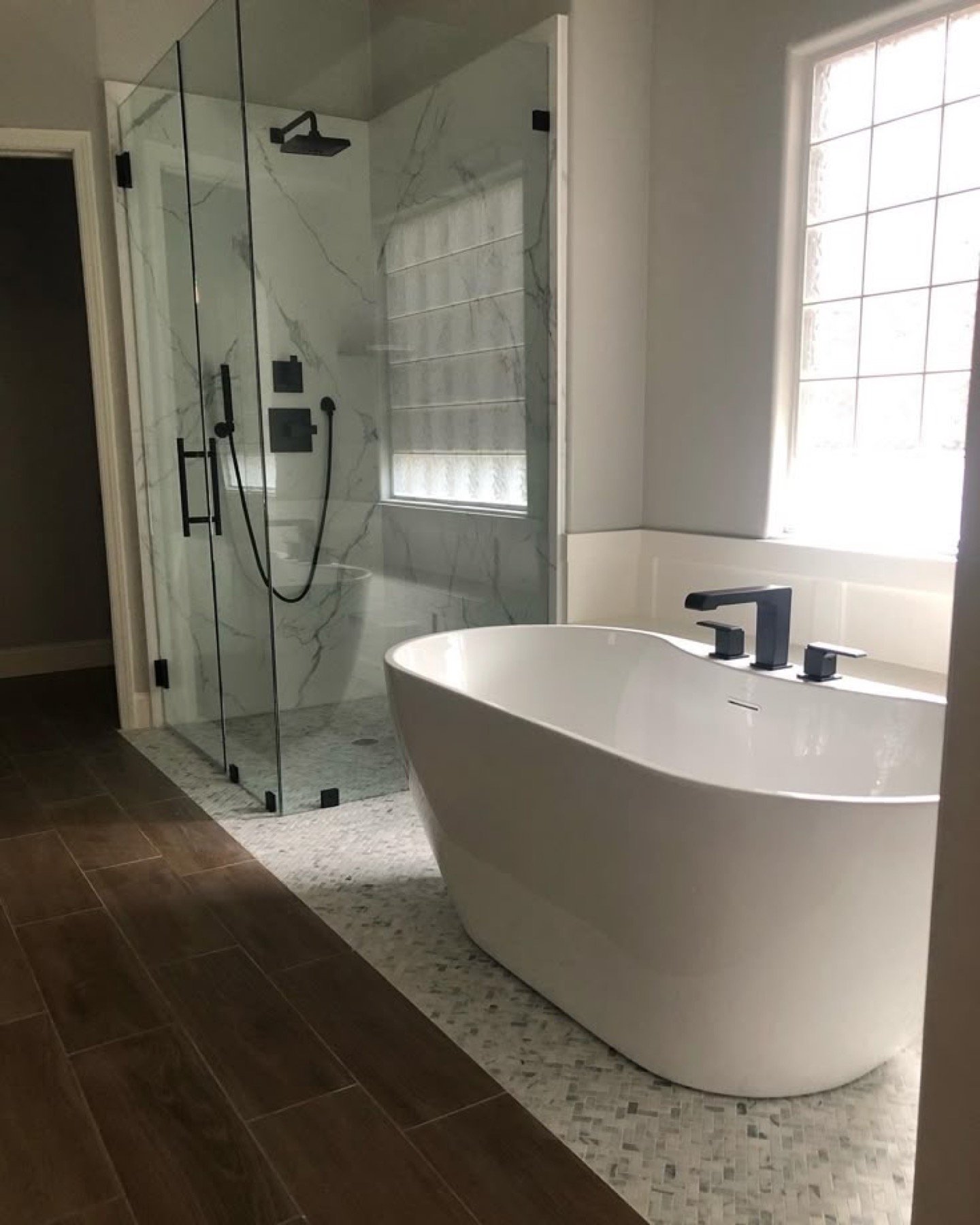
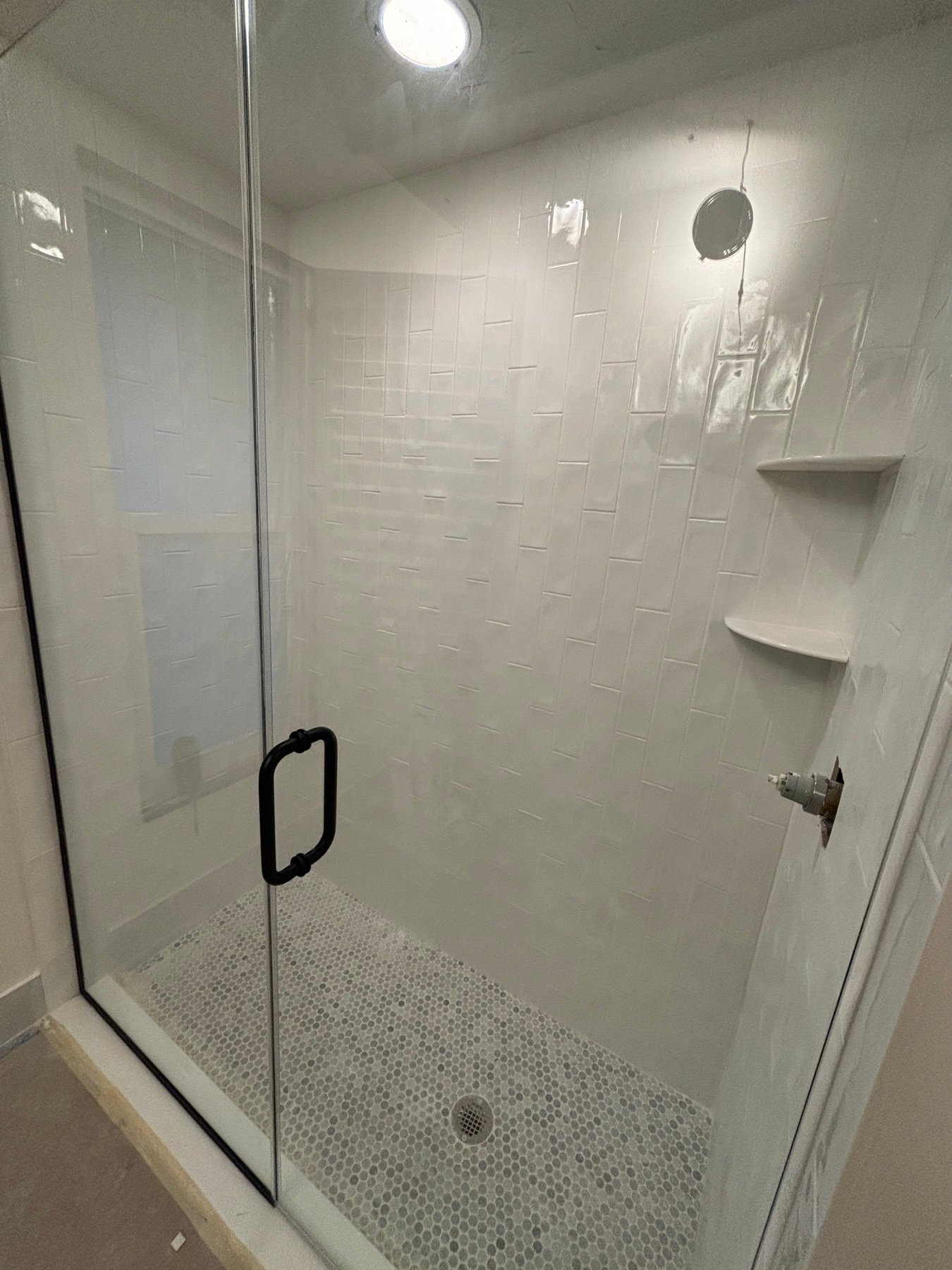
Shower tile ideas with real-world detail
A sensible Sarasota project sequence
- Define use and priorities. Record traffic, water exposure, desired style, maintenance tolerance, and accessibility needs.
- Inspect existing conditions. Review the substrate, elevations, cracks, drainage, walls, framing, transitions, and concealed-risk areas relevant to the work.
- Select the system. Choose tile, setting materials, grout, trim, membranes, sealants, and movement details for compatibility.
- Approve a layout. Establish focal lines, cuts, pattern direction, transitions, niches or drains, and alignment with fixed architecture.
- Install and protect. Respect preparation, coverage, cure times, cleaning, and protection from other trades.
- Document and maintain. Keep product names, colors, lot numbers, photographs, warranties, and spare tile together.
This sequence protects design intent because it separates decisions that are often collapsed into one hurried selection meeting. It also makes estimates easier to compare. A lower price may reflect a genuine efficiency, but it may also omit preparation, demolition, protection, trim, testing, or disposal. A clear sequence exposes those differences before the project begins.
Questions to ask a Sarasota tile installer
Ask how existing conditions will be evaluated, which standards and manufacturer instructions guide the work, and who is responsible for substrate correction. Request the exact names of major system components rather than accepting “premium materials.” Discuss layout approval, jobsite protection, dust control, work hours, access, cleanup, and how changes are documented. For wet or exterior work, ask directly about waterproofing or drainage and movement accommodation.
Good answers are specific without being theatrical. An experienced professional should be able to explain why a method fits your room and where uncertainty remains. Beware of promises that every substrate is “fine,” that grout makes a shower waterproof, or that exterior movement and drainage can be solved after the tile is installed. Professional confidence includes knowing what must be verified.
References and project photographs are useful, but ask questions that reveal process: Was the scope clear? Did the crew protect the home? Were schedule changes communicated? Did the final punch list receive attention? Craft quality matters, and so does the homeowner’s experience between demolition and final cleaning.
Frequently asked questions
Is shower tile a good investment for a Sarasota home?
It can be. Value comes from a durable, coherent finish that suits the property and is installed over properly prepared conditions. Overly personal patterns, inappropriate surfaces, and deferred maintenance may reduce that advantage, so design for the home first.
How should I compare tile installation estimates?
Compare demolition, disposal, preparation, membranes, setting materials, trim, grout, movement joints, protection, cleanup, allowances, exclusions, and warranty terms. The same tile can produce very different totals when one scope includes the hidden work and another does not.
Should I buy extra tile?
Usually yes. Waste depends on format, pattern, cuts, breakage, selection, and future repair needs. Confirm the amount with the installer before ordering, then store labeled attic stock in a dry location because future dye lots may not match.
Can tile be installed over existing tile?
Sometimes, but only after evaluating bond, flatness, cracks, elevations, doors, drains, transitions, and the suitability of the complete system. Avoid treating an overlay as an automatic shortcut; the existing surface becomes part of the new assembly.
How long will the project take?
Duration depends on demolition, repair, layout complexity, cure times, inspection needs, room access, and coordination with other trades. Ask for milestones rather than a single optimistic completion date, and do not compress cure or test times simply to regain schedule.
Where can I explore related local tile resources?
For additional Sarasota-area inspiration and service information, visit Sarasota Perfect Tile. Homeowners south of Sarasota can also explore Venice Perfect Tile.
The bottom line
Shower Tile is a compelling Sarasota finish because it can unite architecture, comfort, and daily practicality. The strongest projects are not built around a single sample or trend. They are built around a clear brief, honest inspection, compatible materials, disciplined preparation, an approved layout, and care instructions the household will actually follow.
Use this guide to ask better questions and to recognize the details that distinguish a quick surface change from a durable installation. When the visible design and the concealed assembly receive equal attention, shower tile can feel calm, intentional, and right for Gulf Coast living for years to come.